Managed farmland trades some direct operating responsibility for a recurring management arrangement. Unmanaged land can offer more direct control but also leaves the owner responsible for coordinating the work, people and systems needed to maintain it.
Owner time and coordination
Unmanaged farmland can require the owner to arrange labour, irrigation, security, maintenance and vendors. A managed model moves defined tasks into an operating system, subject to the written scope.
Control and flexibility
Direct ownership without a management framework may allow more individual operating choices, while a managed community can have agreed planting, infrastructure or common-area rules.
Recurring cost
Managed land normally introduces an explicit recurring fee. Unmanaged land can still have significant ongoing cost, but the owner may see it as multiple vendors, labour payments and maintenance decisions rather than one management charge.
What to compare on site
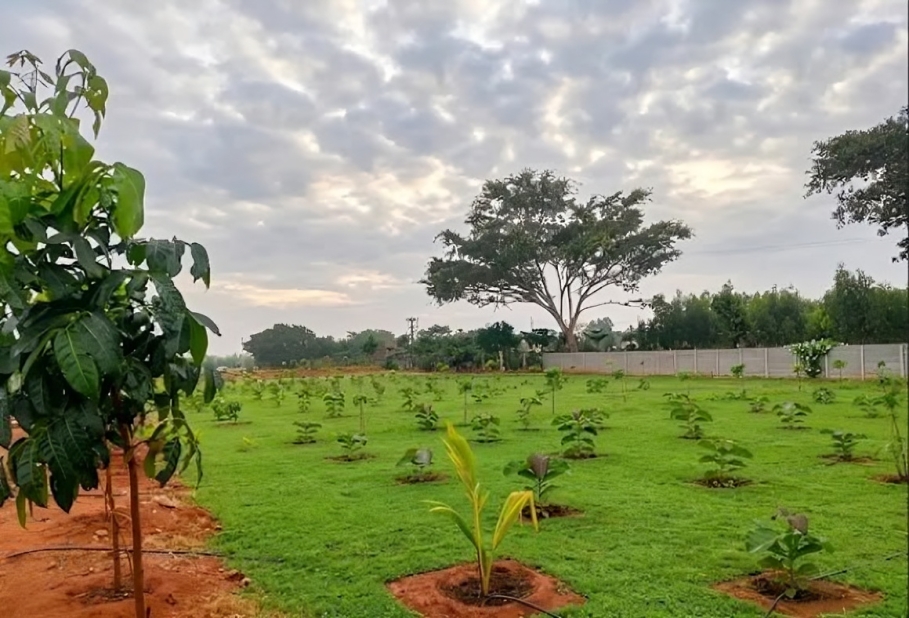
Inspect water systems, roads, plantation condition, security, maintenance records and the people responsible for operations. The quality of execution matters more than the label.
Which model fits you?
The better fit depends on how much time, operational control and vendor coordination you want to take on, and whether the management model is clear enough to justify its recurring cost.
Use this framework to ask better questions, then compare the facts against Evergreen Heaven’s project pages and what you see on site.