Managed farmland is land owned by the buyer while defined recurring farm or site operations are handled under a management arrangement. The quality of the model depends on the land, documents, management scope, costs and what is actually delivered.
What do you actually own?
Start with the legal interest being transferred, the plot-specific documents and the rights or obligations attached to the property. Marketing language about farming should never replace ownership and document review.
What does “managed” mean?
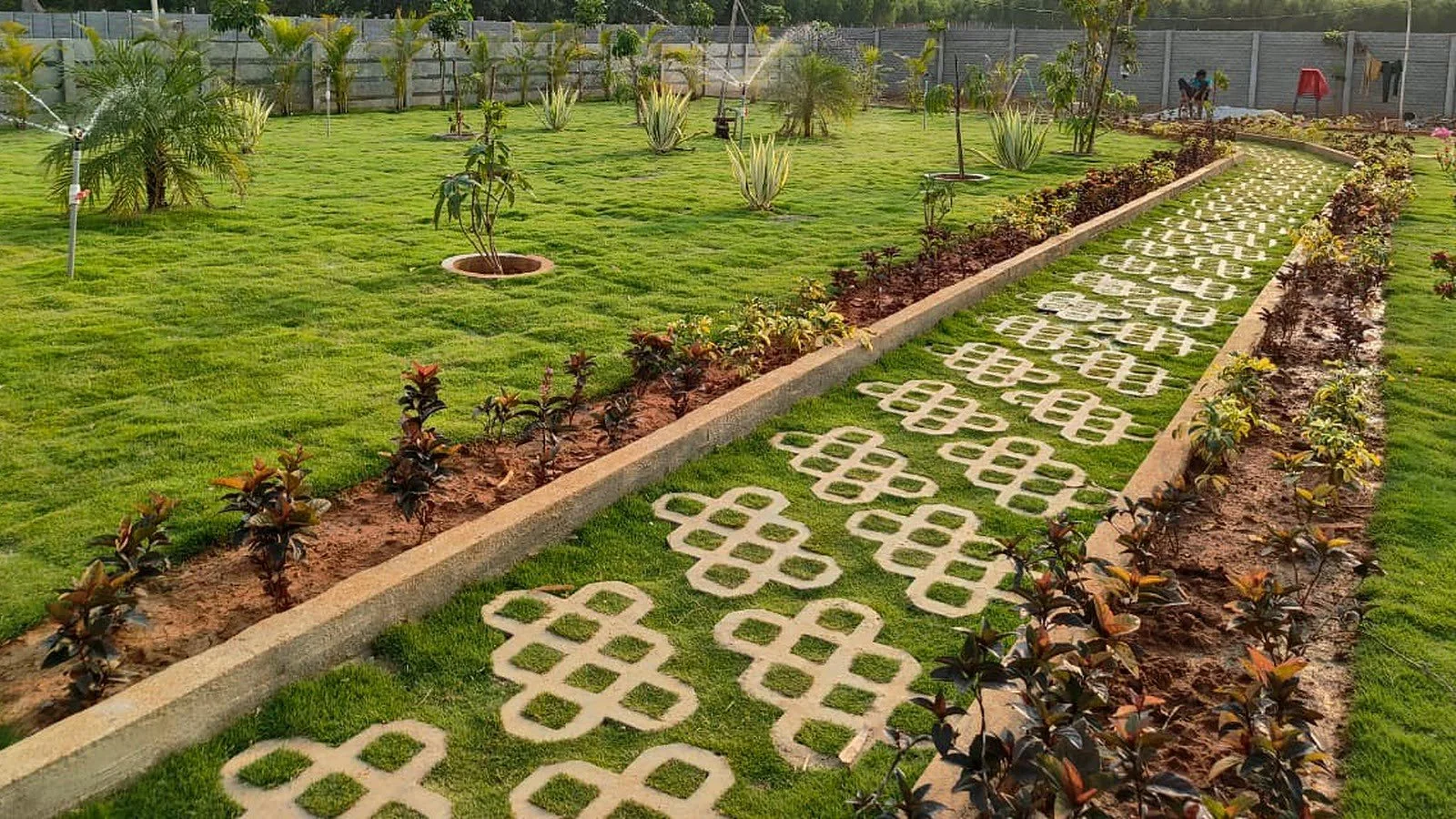
Management can cover irrigation, plantation care, labour coordination, security, common-area upkeep and reporting. The actual written scope matters more than the label.
What costs continue after purchase?
Recurring management charges, taxes, utilities, special agricultural work and owner-requested changes can affect the long-term cost of ownership. Compare the scope behind the fee rather than only the headline number.
What should you verify before buying?
Review ownership documents, land records, access, water and irrigation evidence, the management agreement, plot plan, recurring charges and use or construction rules. Use independent legal advice for the specific transaction.
What should you inspect on site?
Walk the plot and boundaries, internal roads, water and irrigation infrastructure, common areas and surrounding land use. The visit should verify what the website and sales material say.
Use this framework to ask better questions, then compare the facts against Evergreen Heaven’s project pages and what you see on site.