Do not choose a managed farmland project from one headline claim. Compare the land, documents, management agreement, recurring costs, water and irrigation evidence, infrastructure, location and what you can independently verify on site.
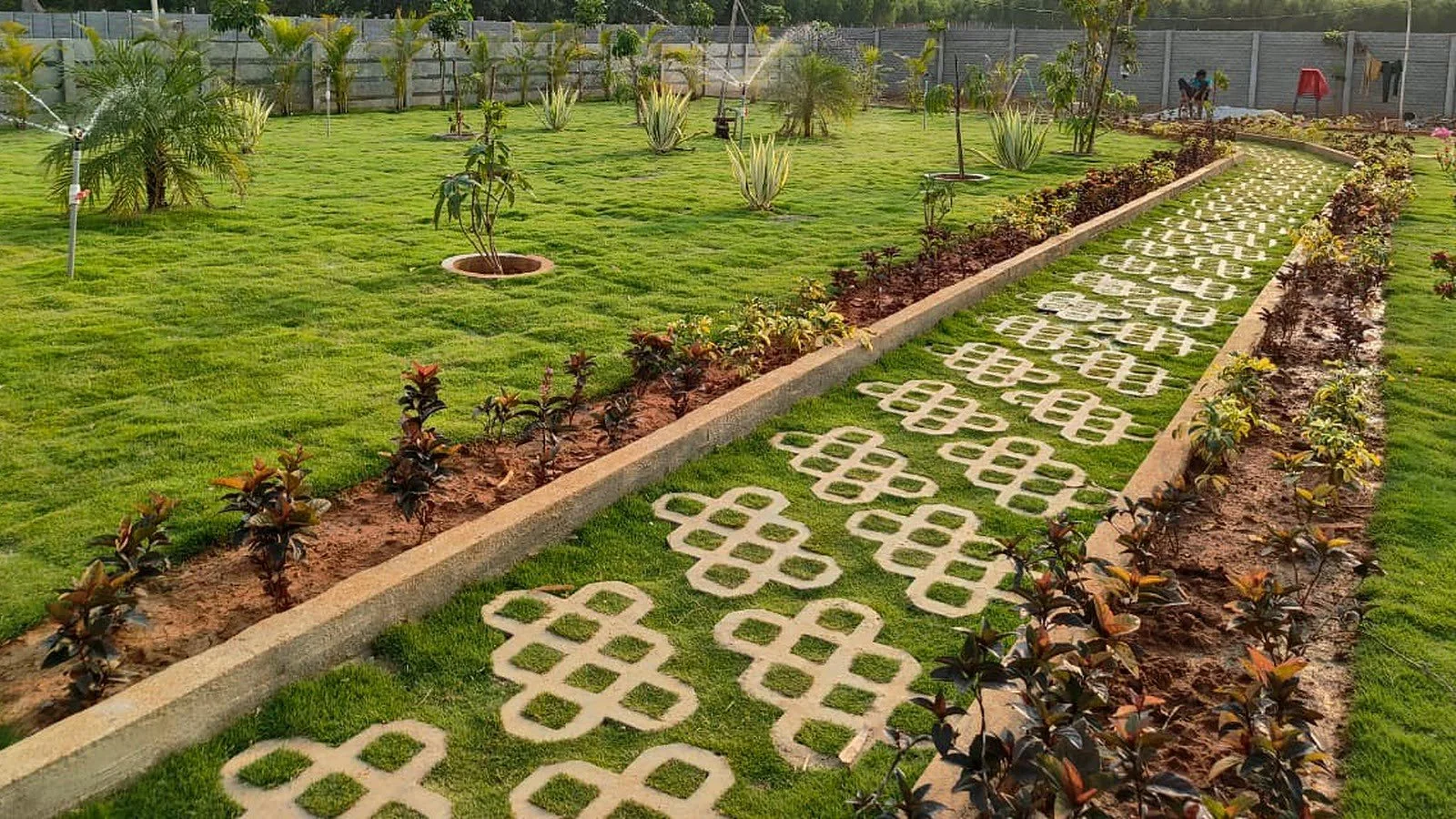
01 Compare the real location, not the label
“Near Bangalore” covers a wide area. Check the exact project pin, route options, road approach and whether the distance is practical for how often you expect to use the land.
02 Compare the ownership and document process
Ask what is being transferred, which plot-specific documents are available, how buyer due diligence is handled and whether the sales process encourages independent legal review.
03 Compare the management scope
List the recurring tasks actually included: irrigation, plantation care, labour coordination, security, common-area upkeep, reporting and any exclusions. Compare written scope rather than slogans.
04 Look for water and irrigation evidence
Ask how irrigation is designed, what infrastructure already exists and what operating assumptions the management model depends on. Verify the system on site where possible.
05 Compare recurring cost by scope
A lower fee is not automatically better if it covers less. Ask what is included, what can create extra charges and how changes to the management scope are approved.
06 Demand first-party project proof
Real photographs, dated progress, master plans, roads, gate, irrigation, plantation and site visits are more useful than generic renderings. The strongest project should be easy to inspect.
Use this framework to ask better questions, then compare the facts against Evergreen Heaven’s project pages and what you see on site.