Farmland can combine land ownership with personal use and potential long-term value, but it also carries transaction, legal, operating, liquidity and recurring-cost risks. Appreciation, resale timing and farm outcomes are not guaranteed.
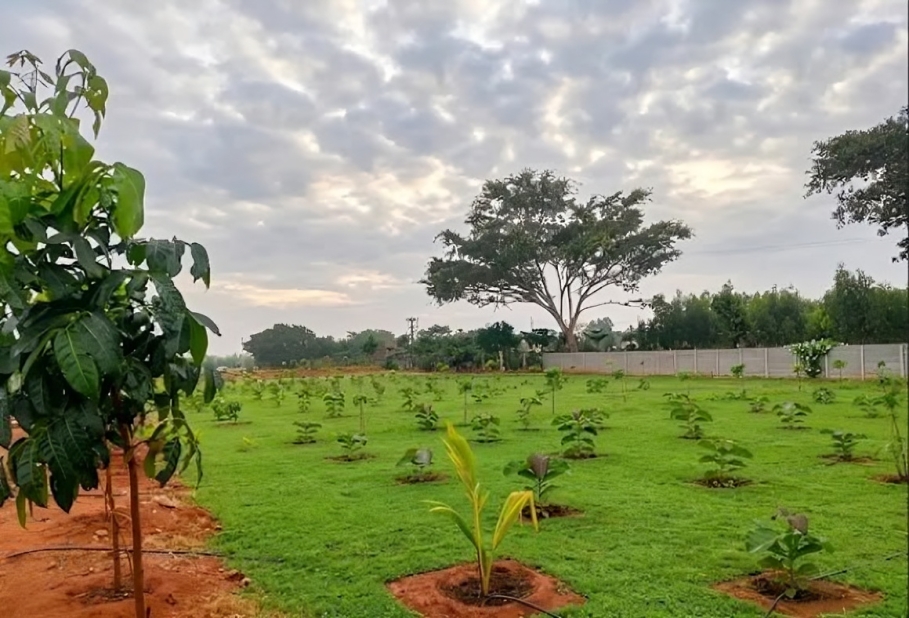
Purchase and transaction cost
Evaluate the full acquisition cost, not only the headline land rate. Buyer-specific taxes, registration, professional review and other transaction costs can matter.
Recurring ownership cost
Management fees, taxes, maintenance, utilities or agricultural work can continue after purchase. A managed project should make the recurring scope and fee basis clear.
Liquidity and resale
Land can take time to sell, and buyer demand varies by exact location, property type and market conditions. Do not assume immediate liquidity.
Legal and operating risk
Independent legal due diligence, property identity, access, water, land use and management execution all matter. Agricultural outcomes can also vary with weather, water, crop choice and operations.
Personal use value
Some buyers place value on having a place to visit, spend weekends, participate in the landscape or hold land for long-term personal reasons. That use value is personal and should be separated from return projections.
A better decision framework
Ask whether the property still makes sense if appreciation is slower than hoped and if ongoing costs are higher than expected. If the decision only works under optimistic return assumptions, it needs more scrutiny.
Use this framework to ask better questions, then compare the facts against Evergreen Heaven’s project pages and what you see on site.